Engineering for NetSuite-Driven Businesses
Supporting companies as their NetSuite environments grow in complexity — keeping operations reliable, adaptable, and under control
Book a Strategy Session
Reality of Growth
When Complexity
Starts to Compound
NetSuite often begins as the core system coordinating key parts of a business.
As new tools, workflows, and integrations are introduced, dependencies increase. What once worked independently becomes tightly connected.
At that point, stability is no longer about individual components — it depends on how everything is designed, connected, and maintained over time.
What We Do
Engineering Across the Entire Operational Stack
As NetSuite environments expand, they evolve into layered architectures — combining integrations, platforms, and custom-built solutions.
Keeping these layers aligned requires deliberate engineering decisions, not just isolated implementations.
Integrations & Automation
Reliable data exchange and process orchestration across systems.
- - System connectivity
- - Workflow automation
- - Integration architecture
Platforms & Commerce
Commerce platforms designed to scale with business and operational needs.
- - Commerce infrastructure
- - Platform extensions
- - Business logic
Product Engineering
Custom tools and applications for internal workflows and decisions.
- - Operational tools
- - Data visibility
- - Custom applications











In Production
Systems Operating at Scale
Real environments where engineering decisions directly impact day-to-day operations.
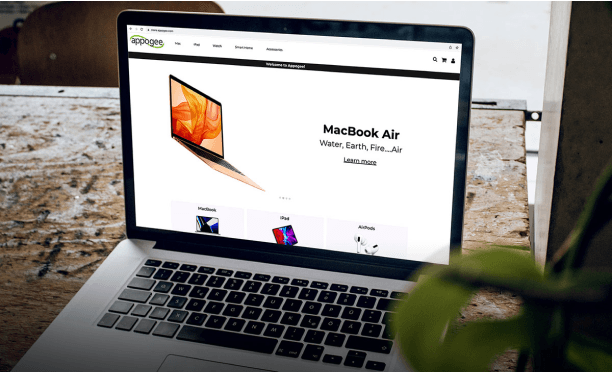
Appogee
A multi-layered setup where procurement, storefront behavior, and external integrations must evolve together — without disrupting ongoing operations.

Designs for Health
A custom platform where frontend, backend, and integrations move in parallel, requiring coordination to maintain consistency as the system evolves.

Trigon Sports
An evolving NetSuite environment supporting both ecommerce and internal processes, continuously extended to match new operational needs.
Our values
A Consistent Way of Working
A shared approach that defines how we think, collaborate, and deliver across projects.
Right Solutions
We aim for solutions that fit the system, not just quick fixes.
Long-Term Partnerships
We work with clients as their environments evolve.
High Standards
Quality is part of every decision we make.
Team Execution
We operate as a cohesive unit, aligned internally and with our clients.
Engineering Principles
How We Approach Complex Systems
Sustaining a NetSuite environment requires more than implementation — it requires decisions that shape how systems behave over time.
Judgment
Understanding trade-offs and making decisions that balance speed, stability, and long-term maintainability.
Ownership
Taking responsibility for how systems perform in production — not just how they are built.
Depth
Combining platform expertise with broader engineering perspective to design solutions that hold up under real-world conditions.
Reliability
Designing solutions that remain stable, understandable, and maintainable as complexity increases.